

Table of Contents
- Capsule Wardrobe vs Seasonal Shopping: Key Differences
- Understanding Capsule Wardrobe Essentials
- Seasonal Shopping and Trend-Led Dressing
- Building a Seasonal Capsule Wardrobe
- How to Update a Capsule Wardrobe Without Constant Replacements
- Capsule Wardrobe Pros and Cons vs Seasonal Shopping
- A Hybrid Strategy: Trend-Conscious Capsule Dressing
- Frequently Asked Questions
Last Updated: October 17, 2026
Capsule Wardrobe vs Seasonal Shopping: Key Differences
A capsule wardrobe vs seasonal shopping decision shapes your spending, closet organization, and daily confidence.
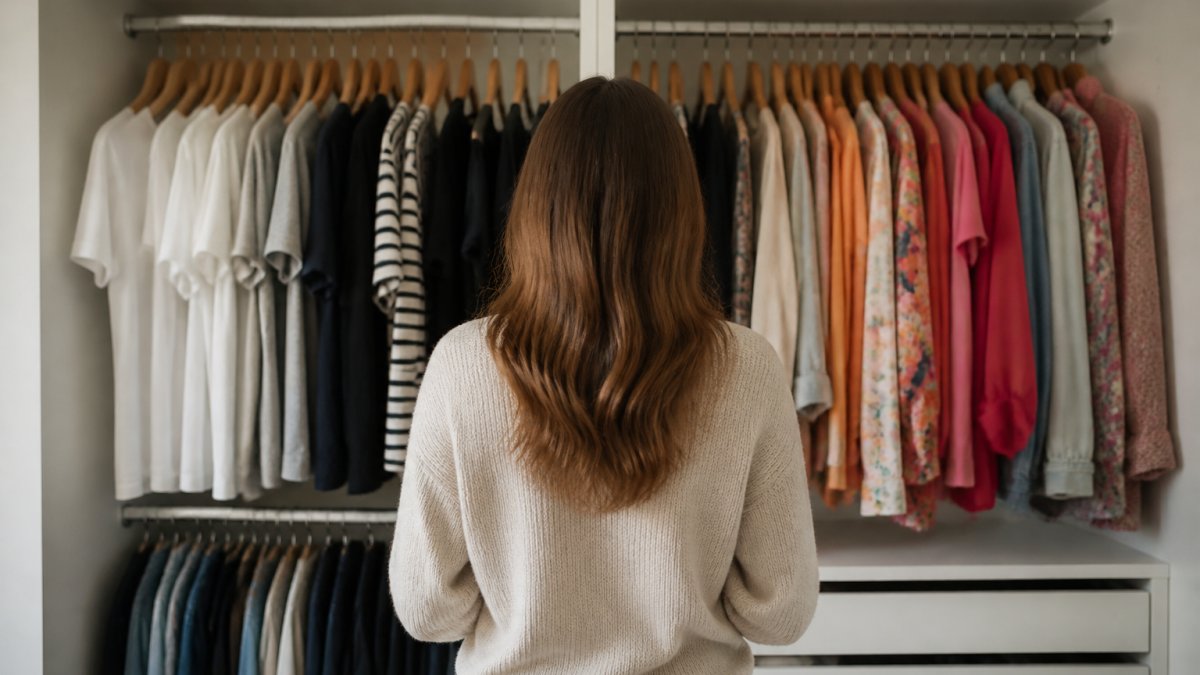
One emphasizes intentional minimalism and timeless pieces; the other prioritizes current fashion and seasonal variety.
Do you invest in fewer, higher-quality basics, or embrace the seasonal refresh?
A capsule wardrobe is a curated collection of versatile, timeless pieces that work together to create multiple outfits throughout the year.
The difference is philosophy.
Understanding Capsule Wardrobe Essentials
A functional capsule wardrobe typically centers on 30-40 strategically chosen pieces that maximize outfit combinations while staying true to your personal style.
What Makes a Piece Essential
An essential piece serves multiple purposes and pairs easily with other items. It's usually neutral in color, classic in cut, and made from durable fabric. A white cotton tee, navy blazer, well-fitting jeans, or neutral sweater works year after year.
The key distinction is versatility: an essential should work in at least three outfit combinations. A sweater that pairs with only one pair of pants isn't essential, it's a luxury item.
Quality matters enormously here. This is where WearWhatToday's approach to breathable, durable materials makes a real difference. The Wear What Today T-Shirt, Playful Purple Label Graphic Tee on gray is built from 100% ring-spun US cotton that's garment-dyed for a soft, lived-in texture.

Building Outfit Combinations from Limited Pieces
The math is straightforward: 5 basic tops, 4 bottoms, and 3 layers create 60 outfit combinations, fewer options that all work together eliminate decision fatigue.
Choose a cohesive color palette first: 2-3 neutral base colors (black, navy, gray, white, beige) plus 1-2 accents that complement your skin tone.
Mixing fabrics, cotton with wool, linen with silk blends, adds visual interest without adding pieces, and varying fitted and relaxed silhouettes doubles your styling possibilities.
Seasonal Shopping and Trend-Led Dressing
Seasonal shopping takes the opposite approach: you refresh your wardrobe every 3 months to match the season and current trends, new colors for fall, heavier fabrics in winter, pastels in spring, breathable brights in summer.
Why Seasonal Trends Matter to Some Shoppers
Fashion trends are genuinely fun. Seasonal shopping lets you engage with fashion as a living, changing system rather than wearing the same pieces year after year.
For many, this is personal expression, and practical, since your body, life, and preferences change, and pieces that worked five years ago might not suit who you are now.
Wearing current trends can also feel confident and connected, part of a larger conversation about what's relevant right now.
The Cost of Keeping Up with Fashion Trends
Seasonal shopping is expensive. Buying 10-15 new pieces every quarter adds up fast, and you're replacing pieces that still work perfectly fine because they're no longer fashionable.
There's also a hidden decision-making cost: constant research into what's trending, and more purchases mean more chances to buy things that don't work for your life.
The environmental cost is real too: fast fashion pieces worn a few times before replacement consume resources and end up in landfills.
Building a Seasonal Capsule Wardrobe
You don't have to choose one approach entirely. A seasonal capsule wardrobe blends both: a core of timeless essentials year-round, plus seasonal pieces that feel current and appropriate for the weather.
Choosing Layers and Outerwear for Each Season
Layering is the bridge between seasons. A lightweight tee works year-round; what you layer over it changes, a linen shirt or cardigan in spring and fall, heavier knits and outerwear in winter.
Choose outerwear that works across seasons: a trench coat functions in spring, fall, and cool summer evenings; a denim jacket is year-round with layering; a wool coat anchors winter. Invest in pieces that work across at least two seasons.
For transeasonal trends, those pieces that bridge seasons, focus on textures and weights rather than color. A cotton-modal blend like the Essential Tee (55% cotton, 40% modal, 5% spandex) provides breathability year-round while offering enough structure to layer under blazers or cardigans.
Selecting Color Palettes That Work Year-Round
Keep your base palette consistent, but introduce seasonal accents: rust, olive, and burgundy in autumn; cool jewel tones in winter; pastels in spring; brights in summer.
Ensure accents still coordinate with your year-round neutrals. If your base is navy, black, and white, a rust sweater for fall or a pastel pink top for spring works beautifully.
| Season | Accent Colors | Fabric Weight | Silhouette Focus |
|---|---|---|---|
| Spring | Pastels, soft brights | Lightweight linen, cotton | Relaxed, flowing |
| Summer | Bright, saturated colors | Breathable cotton, linen blends | Minimal layers, sleeveless |
| Fall | Warm tones, jewel accents | Medium-weight knits, wool | Structured, layered |
| Winter | Deep jewels, cool neutrals | Heavy knits, wool, structured | Fitted under outerwear |
How to Update a Capsule Wardrobe Without Constant Replacements
A capsule doesn't need a seasonal overhaul, but it does need thoughtful refreshment. The difference between a stale capsule and a current one is strategic additions rather than wholesale replacement.
Refreshing Your Wardrobe When Seasons Change
Instead of replacing basics, introduce seasonal layering pieces. Your white tee stays the same; what changes is what you wear over it, a cardigan in spring, a sweater in fall, a blazer in winter.
Wear What Today Crewneck Sweatshirt — Minimal Purple Label Graphic →
Accessories play a massive role: a new scarf, belt, or shoe in a seasonal color can transform existing pieces for far less than seasonal shopping.
Each season, evaluate what you actually wore. If you have 10 sweaters but only wore 3, you don't need more sweaters, you need the right ones.
Adding Transeasonal Trends Without Starting Over
Transeasonal trends bridge seasons, linen blazers, lightweight knits, versatile denim. A linen blend sweater works in spring and fall; a structured shirt works year-round depending on what you layer underneath.
Treat trendy pieces as accents, not foundations. Buy one statement piece per season if it genuinely excites you, but ensure it coordinates with your existing palette and lifestyle.
[WearWhatToday's Wear What Today Crewneck Sweatshirt, Minimal Purple Label Graphic](https://wearwhattoday.com/products/wear-what-today-crewneck-sweatshirt-minimal-purple-label-graphic) ($54.99) represents this balance perfectly. The medium-heavy 50/50 cotton-poly blend works across seasons when layered appropriately.

Capsule Wardrobe Pros and Cons vs Seasonal Shopping
Both approaches have genuine strengths and real limitations. Understanding the trade-offs helps you choose what serves your life.
Cost Per Wear and Long-Term Investment
Cost per wear is where capsule wardrobes shine. A $100 basic worn 100 times costs $1 per wear; a $40 trendy piece worn 10 times costs $4 per wear.
But this assumes you like the pieces enough to wear them repeatedly. Buy an "essential" sweater you hate and you've wasted money; seasonal shopping can feel safer because smaller commitments sting less.
The investment argument also assumes capital upfront. Someone with a limited budget may find seasonal shopping more accessible because purchases spread across the year.
Environmental Impact and Clothing Longevity
Capsule wardrobes win decisively on environmental impact. A shirt worn 200 times has a dramatically lower footprint than five shirts worn 40 times each.
Seasonal shopping, particularly fast fashion, creates significant waste: pieces designed to be replaced quarterly consume more resources per garment, compounding across millions of shoppers.
However, this assumes capsule pieces are actually durable. A cheap "essential" that falls apart after 20 washes negates the environmental advantage.
Decision Trade-Offs: Personal Style vs Trend Flexibility
Here's the honest tension: capsule wardrobes can feel restrictive if you love fashion, while seasonal shopping offers more variety and the pleasure of discovery.
But capsule wardrobes also offer freedom from decision fatigue: you're not constantly researching what's trending, and you know your pieces work together and fit your lifestyle.
Seasonal shopping requires ongoing engagement with fashion, energizing for some, exhausting for others, plus more capital and closet space for seasonal rotation.
A Hybrid Strategy: Trend-Conscious Capsule Dressing
You don't have to commit entirely to one approach. Most successful wardrobes blend both: a stable capsule core with seasonal trend additions.
Mixing Timeless Pieces with Seasonal Trend Accents
The hybrid approach works like this: 80% of your wardrobe consists of timeless, versatile pieces that remain consistent year-round.
This gives you the stability and cost-efficiency of a capsule while allowing seasonal expression, variety without chaos.
The Wear What Today V-Neck Tee, Casual Purple Label Graphic T-Shirt ($34.32) exemplifies this. It's a classic silhouette in a neutral color, that's your capsule foundation.

Intentional Shopping for Your Lifestyle and Budget
The hybrid approach requires intentionality. Before buying anything, capsule piece or seasonal accent, ask three questions:
- Does this work with at least three pieces I already own?
- Will I actually wear this regularly, or am I buying for an imagined life?
- Does this align with my budget and values?
Someone working from home has different needs than someone in a corporate office, and frequent travelers need pieces that pack well.
The real answer to capsule wardrobe versus seasonal shopping isn't either-or. A capsule provides stability and economy; seasonal shopping offers variety and expression. The best wardrobe usually borrows from both.
At WearWhatToday, we believe in pieces that work across seasons and years, clothing built from breathable, durable materials that maintain their shape and feel after repeated washing.
Frequently Asked Questions
Can a capsule wardrobe include seasonal trends?
Yes. A capsule wardrobe can absolutely accommodate seasonal trends if you choose trend pieces carefully. The key is selecting trend items that complement your core neutral base and that you'll wear for multiple seasons or years. Instead of buying every trend, pick one or two seasonal pieces per season that align with your personal style. This keeps your wardrobe fresh without abandoning the intentional approach of capsule dressing. Many people find a hybrid strategy, mostly timeless staples with selective trend accents, gives them both stability and style flexibility.
How often should you update a capsule wardrobe?
Most people refresh their capsule wardrobe seasonally, roughly every 3 months, by swapping out layers, outerwear, and lightweight pieces. You don't replace everything; you rotate what you already own and add just a few new items to match the weather and current lifestyle needs. Some pieces, like neutral tees and blazers, stay year-round. Others, like heavy sweaters or summer linens, rotate in and out. The frequency depends on your climate, work environment, and how much your routine changes. Busy professionals often find a twice-yearly refresh (spring/summer and fall/winter) sufficient.
Is a capsule wardrobe more cost-effective than seasonal shopping?
Typically yes, over time. A capsule wardrobe emphasizes cost per wear, you buy fewer, higher-quality pieces that you wear repeatedly across multiple seasons and years. Seasonal shopping, by contrast, often means buying new items each season that may only be worn for a few months before trends shift. However, the upfront cost of building a quality capsule wardrobe can feel higher than buying cheap seasonal pieces. The financial advantage of capsule dressing emerges after 12-24 months, when your investment in durable basics pays off through extended wear and fewer replacements.
How can you add seasonal trends without replacing your wardrobe?
Start by identifying one or two trend items per season that genuinely excite you and complement your existing pieces. Accessories like scarves, jewelry, or bags are low-cost ways to add trend flavor without replacing core clothing. Layer trend pieces over your capsule basics, a trendy blazer over a neutral tee, or a seasonal color as an accent layer. Choose trend items in neutral colors when possible so they pair with more of what you own. Finally, practice mix and match: combine a trend piece with multiple existing outfits before buying. This intentional approach keeps your wardrobe fresh without the waste of constant replacement.