

Table of Contents
- Why Breathable Fabrics Matter for Daily Wear
-
Best Breathable Fabrics for Everyday Wear
- Quick comparison of common breathable fabrics
- Cotton: the everyday staple
- Linen: maximum airflow for heat and humidity
- Rayon, viscose, and modal: soft drape with care caveats
- Cotton-linen blends: the practical middle ground
- Lightweight merino wool: the underrated option
- Bamboo lyocell and other cellulose alternatives
- Cotton vs Linen for Daily Wear: Which Suits Your Lifestyle
- Best Fabric for Hot Weather and Humid Climates
- How Weave, Weight, and Construction Affect Comfort
- How to Care for Linen and Cotton Clothes to Last
- Choosing Breathable Fabrics for Your Routine
- Frequently Asked Questions
Last Updated: October 5, 2026
Why Breathable Fabrics Matter for Daily Wear
When you're juggling work, social plans, and everything in between, the last thing you want is clothing that clings to your skin or leaves you sweating by noon.
Breathability directly affects how your body regulates temperature. Fabrics that allow air circulation prevent moisture buildup, reduce odor, and help you stay polished from morning to evening. Loosely woven or natural fibers create pathways for air to move freely, whisking sweat away rather than trapping it.
The challenge is knowing which fabrics deliver. Not all lightweight materials breathe equally, and some come with trade-offs in durability, wrinkle resistance, or care.
Best Breathable Fabrics for Everyday Wear
Most guides list breathable fabrics one by one and leave you guessing which fits your day. A more useful approach compares them on the properties that determine comfort from morning to evening: airflow, moisture handling, durability, care demands, and best use.
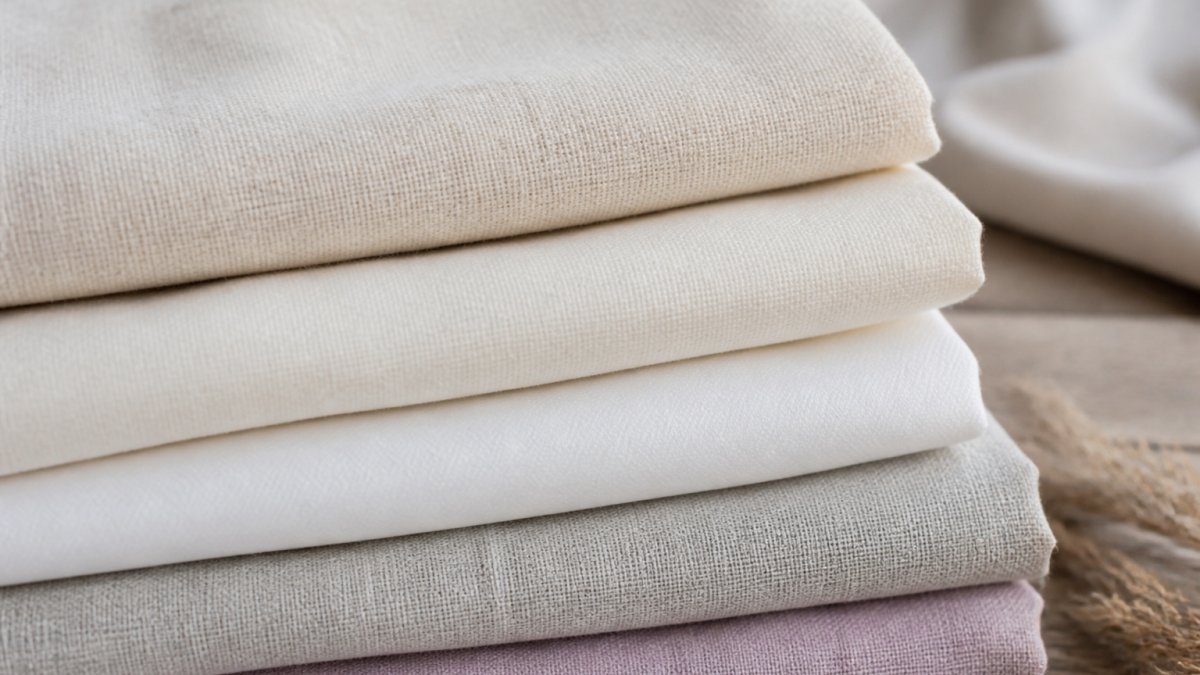
Quick comparison of common breathable fabrics
| Fabric | Airflow | Moisture handling | Durability | Wrinkle resistance | Care level | Best daily use |
|---|---|---|---|---|---|---|
| Cotton | Moderate to high, depending on weave | Absorbs and releases moisture slowly | High | Low to moderate | Easy | Office, casual, moderate climates |
| Linen | Very high | Absorbs and releases moisture quickly | Moderate to high | Very low | Moderate | Hot, humid, casual, travel |
| Rayon / viscose | Moderate to high | Absorbs moisture but dries slowly | Low to moderate | Moderate | Delicate | Draped tops, blends, mild weather |
| Modal | Moderate to high | Absorbs and wicks better than rayon | Moderate | Moderate | Easy to moderate | Everyday basics, sleepwear, travel |
| Cotton-linen blend | High | Balanced absorbency and release | High | Moderate | Easy to moderate | Work, travel, variable climates |
| Merino wool (lightweight) | Moderate | Absorbs vapor and resists odor | High | Moderate to high | Moderate | Cool offices, travel, layering |
| Bamboo lyocell | Moderate to high | Absorbs and wicks well | Moderate | Moderate | Delicate | Sensitive skin, humid days, loungewear |
This table is a starting point, not a verdict: two cotton shirts can behave very differently depending on weave, weight, and fit. The notes below explain each row's trade-offs.
Cotton: the everyday staple
Cotton is the default for daily wear because it is absorbent, soft against sensitive skin, and available in weaves from dense poplin to open oxford. Its breathability comes from the spaces between fibers and yarns, so a loose oxford or gauze cotton breathes far better than a tightly woven dress shirt.
The trade-off is moisture release: cotton absorbs sweat readily but releases it slowly, so a heavy cotton T-shirt can feel damp in humidity. It also wrinkles and can shrink if washed hot. For moderate climates and air-conditioned offices, cotton remains the most practical foundation fabric.
Linen: maximum airflow for heat and humidity
Linen has the most open weave of the common natural fibers, giving it the highest airflow of any everyday fabric. It releases moisture quickly, so sweat evaporates rather than sitting on the skin, and its natural texture resists clinging and odor better than cotton over repeated wears.
The trade-offs are wrinkles, a stiffer hand feel when new, and a higher price than cotton. Linen softens with washing and wear but never looks crisp without ironing, a fair exchange in hot or humid climates.
Rayon, viscose, and modal: soft drape with care caveats
Rayon and viscose are semi-synthetic cellulose fibers that feel smoother and drape more fluidly than cotton. They breathe reasonably well in lightweight constructions but are weaker when wet and prone to pilling, so they need gentler washing and lower heat.
Modal is a related cellulose fiber with better strength and moisture handling than standard rayon. It appears in everyday basics, sleepwear, and travel clothing because it feels soft, resists shrinkage, and holds up to repeated washing. If you like rayon's feel but want more durability, choose modal.
Cotton-linen blends: the practical middle ground
A cotton-linen blend combines cotton's durability and easier care with linen's airflow and moisture release. A common ratio is 55% linen and 45% cotton, though blends vary. The result wrinkles less than pure linen, feels softer from the first wear, and maintains shape through washing better than either fiber alone in some constructions.
For daily wear across changing conditions, a cotton-linen blend is often the most versatile single choice, handling a warm commute, an air-conditioned office, and an evening outdoors without special care.
Lightweight merino wool: the underrated option
Lightweight merino wool isn't the first fabric people think of for warm weather, but fine-gauge merino regulates temperature, absorbs moisture vapor, and resists odor naturally. It's a strong choice for travel, cool offices, and layering, though it costs more and needs careful washing.
Bamboo lyocell and other cellulose alternatives
Bamboo lyocell, sometimes sold as bamboo viscose, is soft, breathable, and moisture-absorbent. It's popular for sensitive skin and humid climates, but durability varies by manufacturer and it usually needs delicate care. Treat it as comfort-first, not a workhorse fabric.
Cotton vs Linen for Daily Wear: Which Suits Your Lifestyle
The choice between cotton and linen depends on your situation, climate, and how much time you'll dedicate to garment care.
Cotton is your answer if: You need versatility across seasons, prefer minimal wrinkles without ironing, work in professional settings where polish matters, or live in moderate climates.
Linen is your answer if: You prioritize maximum breathability, spend time in hot or humid environments, can embrace a relaxed aesthetic with visible texture, or prefer natural antimicrobial properties for extended wear.
For most people, a wardrobe with both, cotton as your foundation and linen for warm-weather occasions, provides optimal flexibility.
Best Fabric for Hot Weather and Humid Climates
In genuinely hot or humid conditions, breathability becomes non-negotiable.
Cotton-linen blends run a close second, offering nearly comparable breathability with better wrinkle performance and durability. Lightweight cotton also works adequately if the garment is loosely constructed, fit matters as much as fiber type in hot weather.
Lightweight Breathable Sun Protection Clothing Women →
Avoid heavy synthetics, tight weaves, and dark colors in hot climates. Moisture-wicking synthetics designed for athletic wear can trap heat in casual settings because they move sweat away from skin rather than letting it evaporate naturally.
How Weave, Weight, and Construction Affect Comfort
Fiber type is only part of the breathability equation. Weave structure, yarn weight, and garment fit dramatically affect how cool and comfortable you feel.
Weave matters significantly. A loose weave creates more air pathways than a tight weave, even with identical fibers, which is why linen outperforms tightly woven cotton.
Fabric weight directly influences breathability. Lightweight fabrics allow more airflow than heavy ones, and a 100-weight linen breathes differently than 200-weight linen.
How to Care for Linen and Cotton Clothes to Last
Proper care extends the life of breathable fabrics and maintains their performance. Both cotton and linen need specific approaches to prevent degradation.
For cotton: Wash in cool to warm water with mild detergent, since hot water can shrink and weaken fibers over time.
For linen: Wash in cool water with gentle detergent, as linen is more delicate when wet than cotton. Avoid excessive agitation and don't overload the machine.
For blends: Follow the most delicate fiber's requirements.
Proper storage matters too.
Choosing Breathable Fabrics for Your Routine
Fabric choice gets easier when you match it to the situations you actually face each day. The same person may need different fabrics for a crowded commute, a cold office, a workout, and a humid evening. Use the scenarios below as a guide, then adjust for your climate and care preferences.
Commuting in warm or crowded conditions
Prioritize airflow and moisture release. Linen, cotton-linen blends, and lightweight cotton in open weaves let heat escape and don't cling when you sweat. Avoid heavy cotton knits, tight synthetic blends, and heat-absorbing dark colors. A loose fit matters as much as the fiber: a breathable fabric in a slim cut can still feel stifling.
Office wear in air-conditioned buildings
Air conditioning changes the equation: you want a fabric that breathes enough for a warm commute but holds a polished shape indoors. Cotton, cotton-linen blends, and lightweight merino work well. Pure linen can look too relaxed for formal settings, while rayon and modal blends offer drape and softness if you accept more careful washing.
Sleep and loungewear
At night, skin comfort and moisture handling matter more than durability. Modal, bamboo lyocell, lightweight cotton, and fine merino are common choices because they feel smooth, absorb moisture, and resist odor. Avoid heavy weaves and heat-trapping synthetics, and if you sleep hot, choose the lightest weight available in a breathable fiber.
Travel and variable climates
Travel rewards fabrics that resist wrinkles, dry quickly, and handle temperature swings. Cotton-linen blends, lightweight merino, and modal blends are practical because they can be worn multiple times between washes and layered as conditions change. Linen is excellent for hot destinations but wrinkles in a suitcase; blends reduce that.
Exercise and active days
For exercise, purpose-built moisture-wicking synthetics often outperform natural fibers because they move sweat away quickly. For low-intensity activity or everyday movement, lightweight merino and bamboo lyocell work well because they regulate temperature and resist odor. The key distinction is intensity: high-sweat workouts favor technical fabrics, daily movement favors breathable naturals.
Humid climates
In humid conditions, moisture release matters more than absorbency. Linen and cotton-linen blends perform best because they let sweat evaporate rather than holding it against the skin, and lightweight merino manages vapor and odor well. Heavy cotton and slow-drying rayon are less comfortable when the air is already saturated.
Sensitive skin and sustainability considerations
If your skin reacts easily, look for smooth, low-irritation fibers such as modal, bamboo lyocell, fine merino, and soft cotton. Processing matters too: conventional cotton and rayon involve chemical treatments, while organic cotton and closed-loop lyocell reduce environmental impact. No fiber is perfect, but matching it to your skin needs and values leads to a wardrobe you'll actually wear.
Frequently Asked Questions
What fabrics are most breathable for everyday wear?
Cotton, linen, and rayon are breathable fabrics for daily wear. Cotton offers reliable moisture absorption and comfort for all-day use. Linen provides superior airflow and moisture-vapor transmission, making it ideal for hot climates. Rayon balances breathability with softness. Cotton-linen blends combine the durability of cotton with linen's exceptional breathability, making them excellent for people who need both comfort and practicality in their daily routine.
Is cotton or linen better for daily wear?
Cotton is better for everyday versatility, it's durable, easy to care for, and maintains its shape after repeated washing. Linen excels in hot and humid climates due to its superior moisture-vapor transmission rate and cooling properties, but it wrinkles more easily. If you live in a warm climate and don't mind ironing, linen wins. For busy professionals who need low-maintenance clothing that transitions from office to evening plans, cotton or a cotton-linen blend is the practical choice.
What fabric is best for hot and humid weather?
Linen is the best fabric for hot and humid conditions because it has the highest moisture-vapor transmission rate among natural fibers, allowing sweat to evaporate quickly and keeping you cool. Cotton-linen blends also perform well in heat. Avoid heavy synthetics like polyester in humidity, as they trap moisture and reduce airflow, making you feel uncomfortable during extended outdoor activities or daily wear.
How do you care for linen and cotton clothes so they last?
Wash cotton in cool to warm water with mild detergent and dry on low heat or air-dry to prevent shrinkage. Wash linen in cool water and air-dry whenever possible to preserve softness. Both fabrics benefit from turning items inside-out before washing to protect color and reduce pilling. Avoid over-drying linen if you want to minimize wrinkles. Store in a cool, dry place away from direct sunlight. With proper care, quality cotton and linen pieces maintain their texture, shape, and breathability through many seasons of daily wear.