

Table of Contents
- Why Breathable Everyday Apparel Matters for Your Comfort
- Best Breathable Fabrics for Summer and Year-Round Wear
- Understanding Moisture-Wicking Everyday Apparel
- Temperature Regulation and Heat Dissipation in Daily Wear
- How to Care for Breathable Clothing and Maintain Performance
- Choosing Breathable Apparel for Your Lifestyle
- Building a Breathable Wardrobe That Works All Day
- Frequently Asked Questions
Last Updated: September 28, 2026
Why Breathable Everyday Apparel Matters for Your Comfort
Breathable everyday apparel is essential for comfort without sacrificing style. What you wear directly impacts how you feel throughout your day.
Most people grab whatever's convenient, only to feel sticky and uncomfortable all day. Breathable everyday apparel with proper airflow and moisture management lets your body regulate temperature naturally, keeping you fresh from morning to evening.
Heat-trapping clothing causes skin irritation, faster odor, and frequent washing. Breathable fabrics extend wardrobe life while improving comfort.
Best Breathable Fabrics for Summer and Year-Round Wear
The foundation of breathable everyday apparel starts with fabric selection. Not all materials perform equally, and understanding the differences helps you build a wardrobe that works across seasons.
Natural Fibers That Deliver Airflow
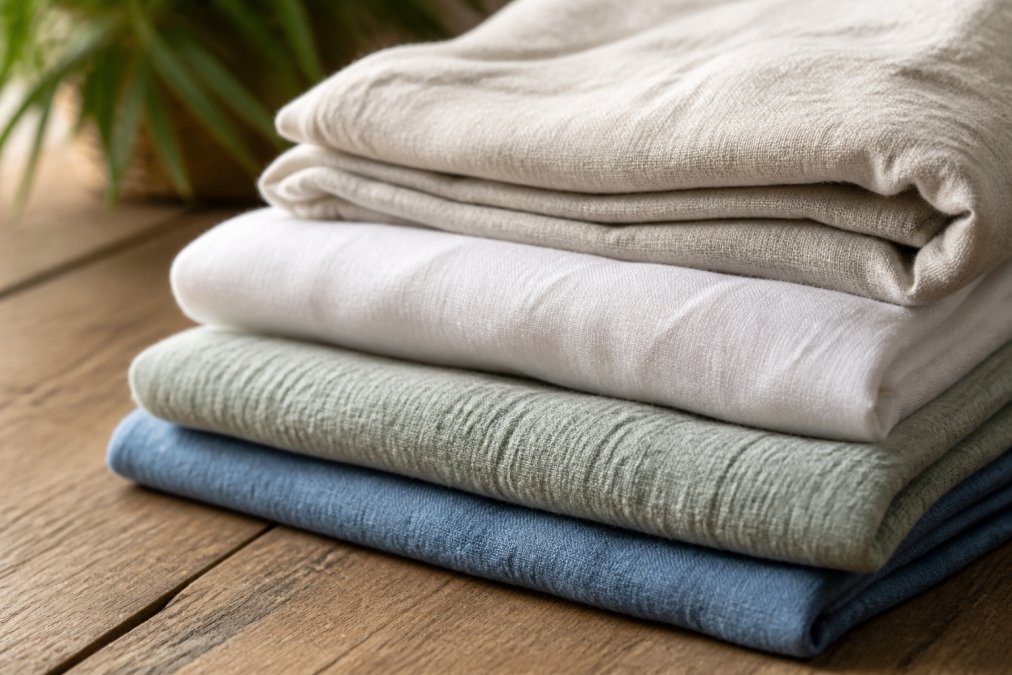
Natural fibers work with your body's temperature regulation. Cotton absorbs moisture and allows air circulation. Linen's loose weave maximizes airflow for hot climates. Hemp offers similar benefits with added durability.
Merino wool regulates temperature year-round, pulling moisture away while maintaining warmth. Bamboo viscose creates soft fabric with excellent moisture-wicking and a smooth feel.
Natural fibers require gentle washing, may shrink slightly, and wrinkle more easily than synthetics, though their breathability reduces odor issues.
Synthetic Blends and Modern Performance Fabrics
Synthetic blends combine multiple materials' best properties. Cotton-polyester maintains breathability while adding durability and easier care.
Performance fabrics use microfiber technology to pull sweat away and disperse it for faster evaporation, handling movement and heat generation. Spandex blends add stretch without compromising breathability.
Synthetic blends wash easily, dry quickly, and maintain shape, but have environmental impact and may trap odors more readily than natural fibers.
Understanding Moisture-Wicking Everyday Apparel
Moisture-wicking matters for everyone, not just athletes. Your body produces 0.5 to 1 liter of moisture daily even at rest, making moisture management central to breathable everyday apparel.
Moisture-wicking pulls sweat away from skin, disperses it across the fabric surface, and evaporates it efficiently, creating a cooling effect and preventing clamminess.
How Breathability Is Actually Measured
Moisture Vapor Transmission Rate (MVTR) measures breathability in grams per square meter per 24 hours. For everyday apparel, MVTR above 1,000 g/m²/24h is breathable; performance fabrics exceed 5,000 g/m²/24h. Cotton rates 1,500-2,500 g/m²/24h, while engineered blends reach 8,000-12,000 g/m²/24h.
Air Permeability measures airflow through fabric in cubic feet per minute (CFM). Linen scores 50-100 CFM, while tightly woven performance fabrics score 20-40 CFM but compensate with superior moisture dispersal.
MVTR and air permeability provide objective comparison beyond marketing claims.
Fabric Construction and Wicking Efficiency
Cotton provides basic moisture management through absorbency but doesn't actively wick.
For everyday wear, you need fabrics that don't trap moisture against your skin.
Temperature Regulation and Heat Dissipation in Daily Wear
Your body maintains optimal function around 98.6°F. Breathable everyday apparel supports natural thermoregulation by allowing heat escape and moisture evaporation, with strategy shifting when you layer.
Single-Layer Heat Management
Heat dissipates through airflow, moisture evaporation, and fabric color. Lighter colors reflect solar radiation, making white cotton feel 10-15°F cooler than black under equivalent sun exposure.
Weave density impacts temperature regulation: loose weaves maximize airflow, tight weaves provide UV protection. The ideal balance depends on your climate and activity level.
Strategic Layering for Year-Round Breathability
Layering with breathable everyday apparel creates a system where each layer independently breathes while regulating temperature across seasons.
The Three-Layer Breathable System:
Base Layer (moisture management). A lightweight moisture-wicking base layer pulls sweat away and disperses it outward. It keeps skin dry without insulating, preventing moisture trapping in cooler conditions.
Mid-Layer (insulation without trapping). Lightweight merino wool, recycled polyester fleece, or breathable knit provides warmth through dead air space while maintaining moisture transmission. Avoid dense, non-breathable insulation.
Lightweight Breathable Sun Protection →
Outer Layer (protection and ventilation). A breathable outer layer allows heat escape while protecting from wind, sun, or light precipitation. This might be a lightweight jacket, a sun-protective shirt, or simply a breathable overshirt. The outer layer should be high enough that it doesn't become a moisture barrier. Many people make the mistake of choosing a non-breathable outer layer (vinyl, plastic-coated, or heavily waterproofed fabric), which traps all the moisture your base and mid-layers worked to move away from your skin.
Why This Approach Works Year-Round:
In summer, you might wear only the base layer or base plus a lightweight outer layer for sun protection. In spring and fall, you add the mid-layer. In winter, all three layers work together, but because each breathes independently, moisture moves outward through the system rather than accumulating at any point. This prevents the clammy feeling that comes from trapped moisture in non-breathable winter clothing.
The efficiency of this system depends on fabric compatibility.
Practical Temperature Regulation for Daily Transitions
Most people experience multiple temperature environments daily: air-conditioned office, outdoor commute, climate-controlled home. Breathable everyday apparel with layering flexibility handles these transitions without overheating or chilling. A breathable base layer in your office keeps you comfortable in cool air. Adding a lightweight breathable mid-layer for your commute provides warmth without trapping moisture. Removing the mid-layer indoors prevents overheating.

This adaptability is why breathable everyday apparel outperforms heavy, non-breathable alternatives. You're not choosing between "warm" and "cool" clothing; you're building a system that adjusts to actual conditions. The result is comfort throughout your day without the energy waste and discomfort of removing and replacing bulky layers.
How to Care for Breathable Clothing and Maintain Performance
Proper care extends the life of breathable everyday apparel and preserves its performance. The maintenance requirements depend on fabric type, but some principles apply universally.
Washing in cold water with similar colors protects both the fabric and the garment's longevity. Hot water can damage delicate fibers and set stains. Most breathable fabrics benefit from gentle cycles rather than heavy agitation. Avoid fabric softeners, which coat fibers and reduce breathability, this is where many people inadvertently ruin their breathable pieces.
Drying matters significantly. Machine drying on high heat damages synthetic blends and can shrink natural fibers. Air drying preserves the fabric structure and extends garment life substantially. If you must use a dryer, select low heat or delicate settings. Hanging items to dry is the gold standard for breathable everyday apparel.
Stain treatment should happen promptly. Fresh stains respond better to cold water rinses than hot water, which can set protein-based stains. For stubborn marks, pre-treating with a gentle stain remover before washing works better than aggressive scrubbing, which can damage fibers.
Storage in cool, dry spaces prevents moisture buildup and odor development. Breathable fabrics benefit from good air circulation in closets. Avoid plastic storage containers, which trap moisture. Natural fiber pieces should be stored where air can circulate freely around them.
Choosing Breathable Apparel for Your Lifestyle
Not all breathable everyday apparel serves the same purpose. Your specific needs shape which fabrics and styles work best.
Active Adults and Everyday Performance
If your day involves movement, temperature changes, and transitions between environments, you need breathable everyday apparel engineered for performance. This means moisture-wicking fabrics that handle sweat efficiently, durable construction that survives frequent washing, and styles that work across multiple settings.
Performance blends with spandex provide the stretch necessary for movement without restricting airflow. Merino wool pieces work surprisingly well for active people because they regulate temperature through activity intensity changes and resist odor despite moisture exposure. The Essential Tee from WearWhatToday, made from a 55% cotton, 40% modal, and 5% spandex blend, exemplifies this approach.

For someone managing multiple environments throughout the day, office to client meetings to evening plans, layering with breathable pieces creates adaptability. A lightweight base layer handles moisture management. A breathable mid-layer adds warmth when needed. An outer layer like the Lightweight Breathable Sun Protection Clothing provides UV protection while maintaining airflow. This approach lets you adjust to temperature and sun exposure without overheating.
Sustainability and Skin-Friendly Options
Sustainable breathable everyday apparel increasingly uses natural fibers grown with minimal environmental impact and production methods that reduce water and chemical use. Organic cotton, regenerated bamboo viscose, and hemp represent this direction.
For skin-sensitive individuals, natural fibers typically perform better than synthetics. Cotton and bamboo viscose allow skin to breathe naturally and rarely cause irritation.
The trade-off is typically cost and care complexity. Natural fibers require more careful washing and storage. However, the durability and longevity of quality pieces often justify the investment through cost-per-wear analysis. A piece worn consistently for five years costs less per wearing than a cheaper piece worn for one year.
Building a Breathable Wardrobe That Works All Day
Creating a functional breathable everyday apparel wardrobe means selecting pieces that work together across your actual life. Start with versatile basics that transition between contexts.
A foundation of lightweight, breathable basics provides the backbone.
Frequently Asked Questions
What is the most breathable fabric for everyday wear?
Linen ranks among the most breathable fabrics, offering superior airflow and evaporation due to its loose weave structure. Merino wool and bamboo viscose are also excellent choices for breathable everyday apparel, as they naturally regulate temperature and manage moisture. For active lifestyles, synthetic blends with moisture-wicking technology provide reliable performance. The best choice depends on your climate, activity level, and whether you prefer natural or synthetic fibers.
How does moisture-wicking everyday apparel keep you dry?
Moisture-wicking fabrics pull sweat away from your skin and move it to the outer surface of the garment, where it evaporates quickly. This process maintains thermoregulation and prevents the clammy feeling of sweat clinging to your body. Synthetic blends and merino wool excel at this function. Regular cotton, by contrast, absorbs moisture and holds it against your skin, making it less suitable for active wear or humid climates.
How often should I wash breathable clothing to maintain its performance?
Wash breathable apparel after 2-3 wears or when visibly soiled, depending on activity level and climate. Use cold water (below 30°C) and gentle cycles to preserve fabric structure and moisture-wicking properties. Avoid excessive heat, which can damage synthetic fibers and reduce breathability. Air dry when possible rather than using high heat in the dryer. Proper care ensures your breathable everyday apparel maintains its comfort and durability for years.
Are natural or synthetic fibers better for breathability?
Both have strengths: natural fibers like linen and merino wool offer exceptional airflow and thermoregulation, while synthetic blends provide superior moisture-wicking and durability. Natural fibers excel in hot, dry climates; synthetic blends perform better during intense activity or in humid conditions. Many modern breathable everyday apparel options combine both, blending cotton or modal with spandex for comfort and stretch. Choose based on your primary use and climate.